The Ultimate Guide to Kitchen Remodeling in Nassau County


Planning Your Kitchen Remodel
When embarking on a kitchen remodeling journey in Nassau County, the first step is to plan meticulously. A well-thought-out plan can save time, money, and stress. Start by considering your budget, as this will guide many decisions throughout the process. Define your needs and wants, focusing on functionality and aesthetics.
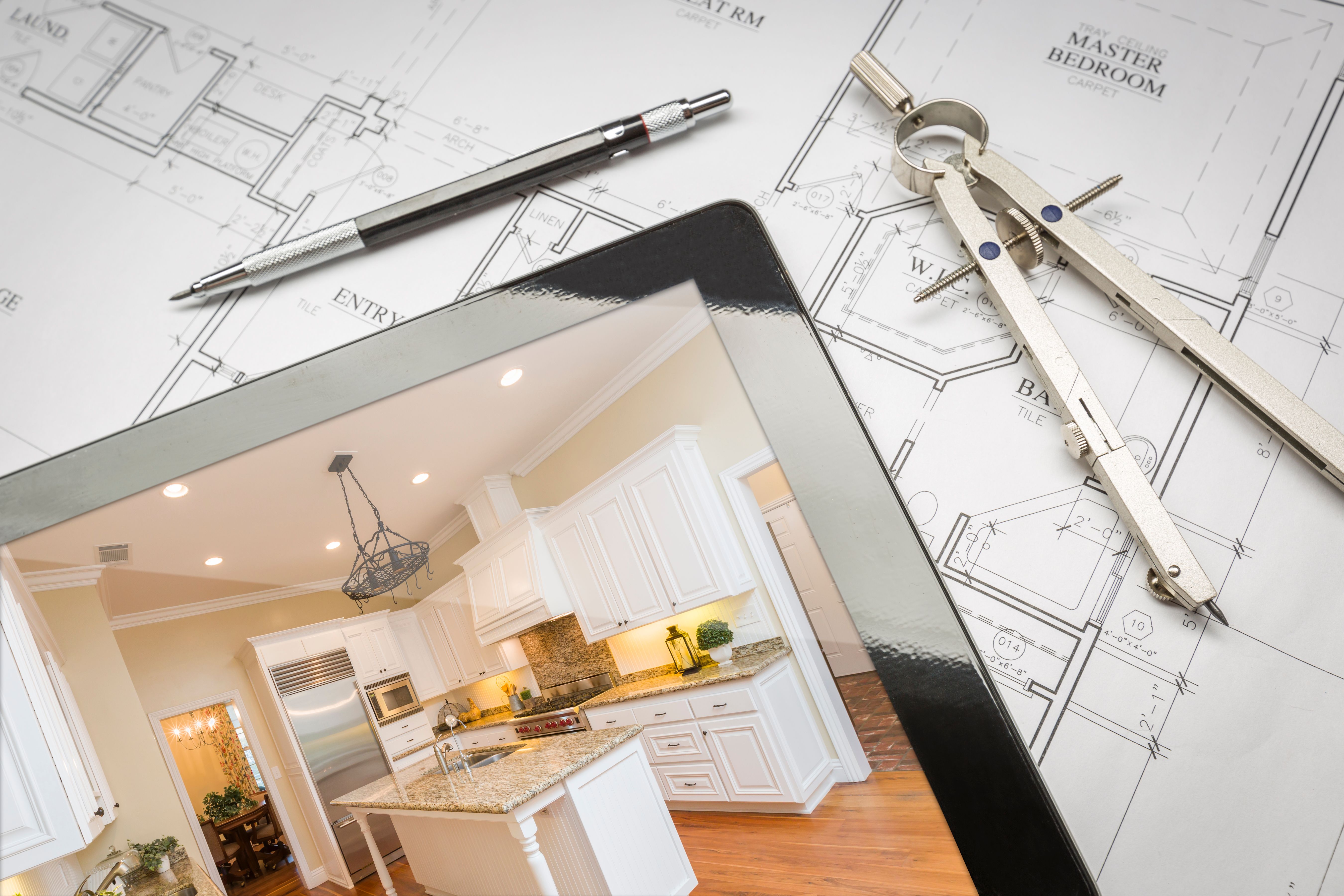
Consider hiring a professional designer or architect to create a blueprint that aligns with your vision. This ensures that all elements come together seamlessly, from cabinetry to lighting. It's also wise to research local regulations and permits that may be required.
Setting a Realistic Budget
A realistic budget is crucial to avoid overspending. Break down your budget into categories such as materials, labor, and unexpected expenses. Allocate a portion for unforeseen issues that may arise during the remodeling process.
Choose quality materials that suit your style and needs, balancing cost with durability. High-quality materials might be more expensive upfront but can save money in the long run due to their longevity.

Choosing the Right Materials
The choice of materials can significantly impact the look and feel of your kitchen. Consider materials that are both stylish and functional. For countertops, options include granite, quartz, and marble, each offering unique benefits.
Cabinetry can make a statement in your kitchen. Opt for materials that complement your overall design while offering ample storage. Don't forget about the flooring; it should be durable and easy to maintain.

Finding the Best Contractors
Hiring the right contractor is essential for a successful remodel. Start by seeking recommendations from friends and family or researching online. Look for contractors with positive reviews and a portfolio of completed projects that align with your vision.
Request quotes from multiple contractors and compare their offerings. Ensure that they are licensed and insured to protect yourself from potential liabilities. A good contractor will communicate clearly and keep you informed throughout the project.

Designing for Functionality and Style
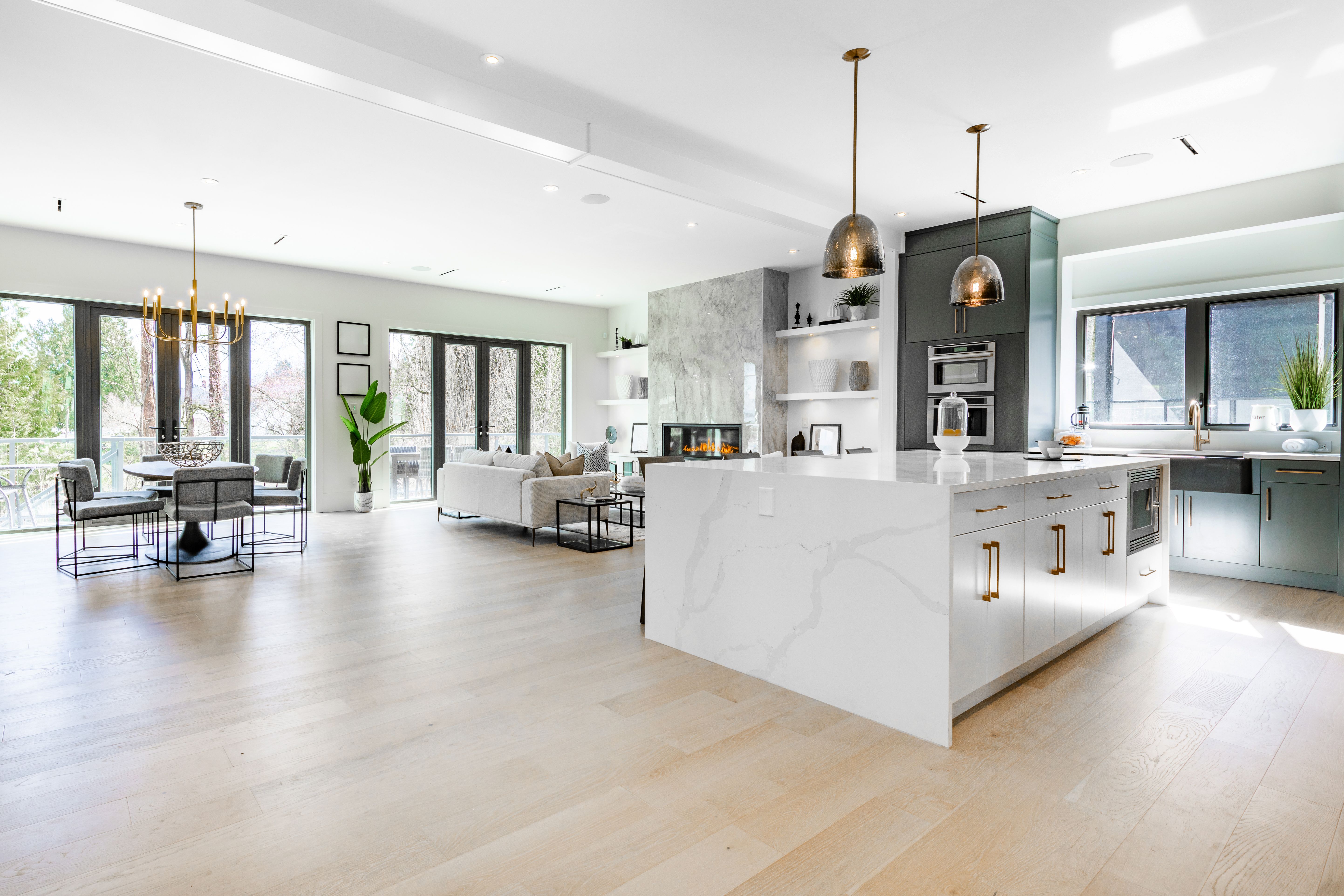
Your kitchen should be both functional and stylish. Consider the workflow and how you use your kitchen daily. The work triangle concept—connecting the stove, refrigerator, and sink—can enhance efficiency.
Incorporate your personal style through color schemes, textures, and finishes. Whether you prefer a modern, minimalist look or a cozy, traditional ambiance, ensure that the design reflects your personality and lifestyle.
Maximizing Space and Storage
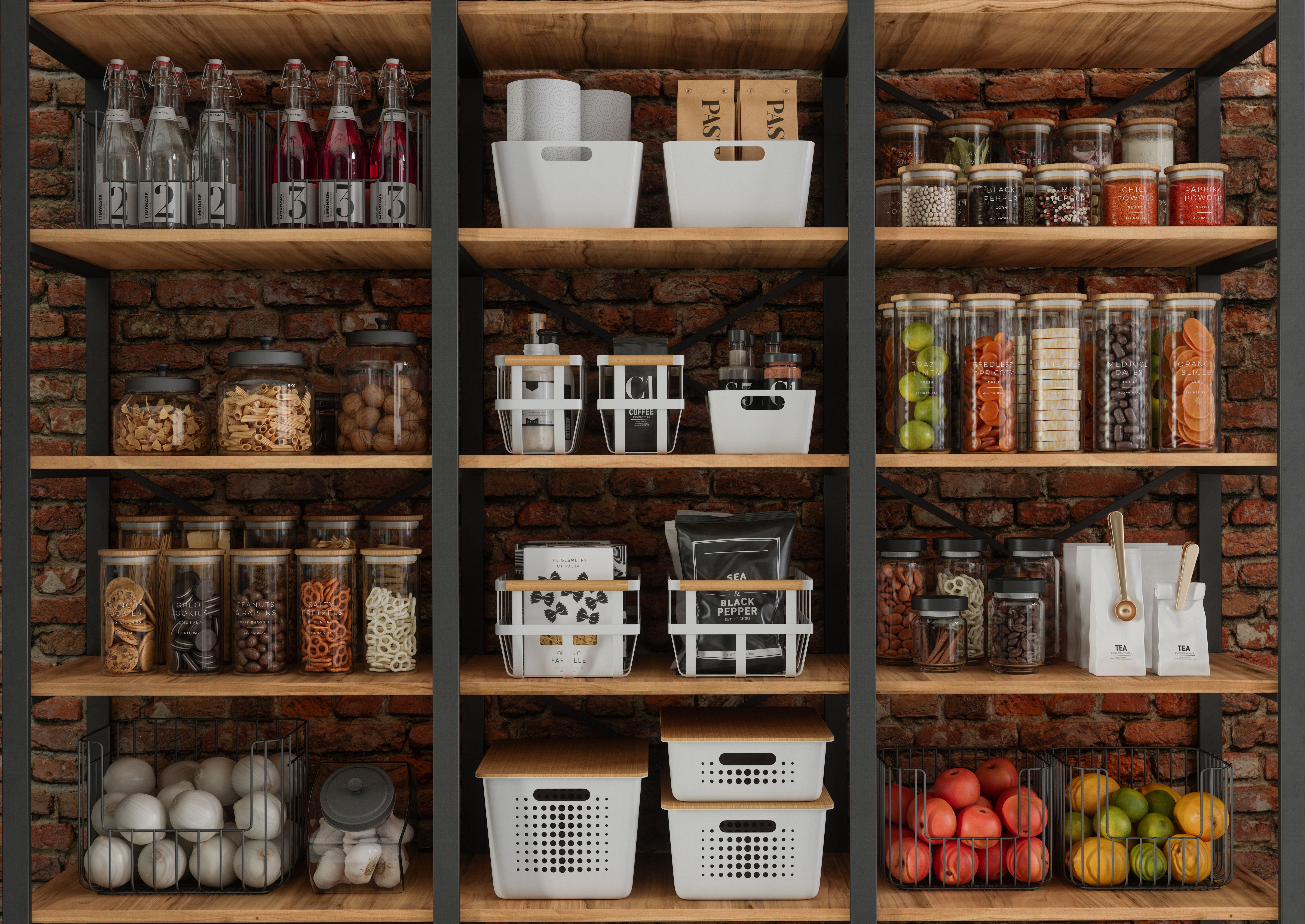
Space and storage are vital components of any kitchen remodel. Use clever storage solutions like pull-out shelves, lazy Susans, and vertical storage to maximize space. These elements can help keep your kitchen organized and clutter-free.
Consider open shelving to display decorative items or frequently used dishes. This can add a touch of personalization and warmth to your kitchen. Make sure that every inch is utilized effectively to suit your cooking and entertaining needs.
Lighting and Finishing Touches
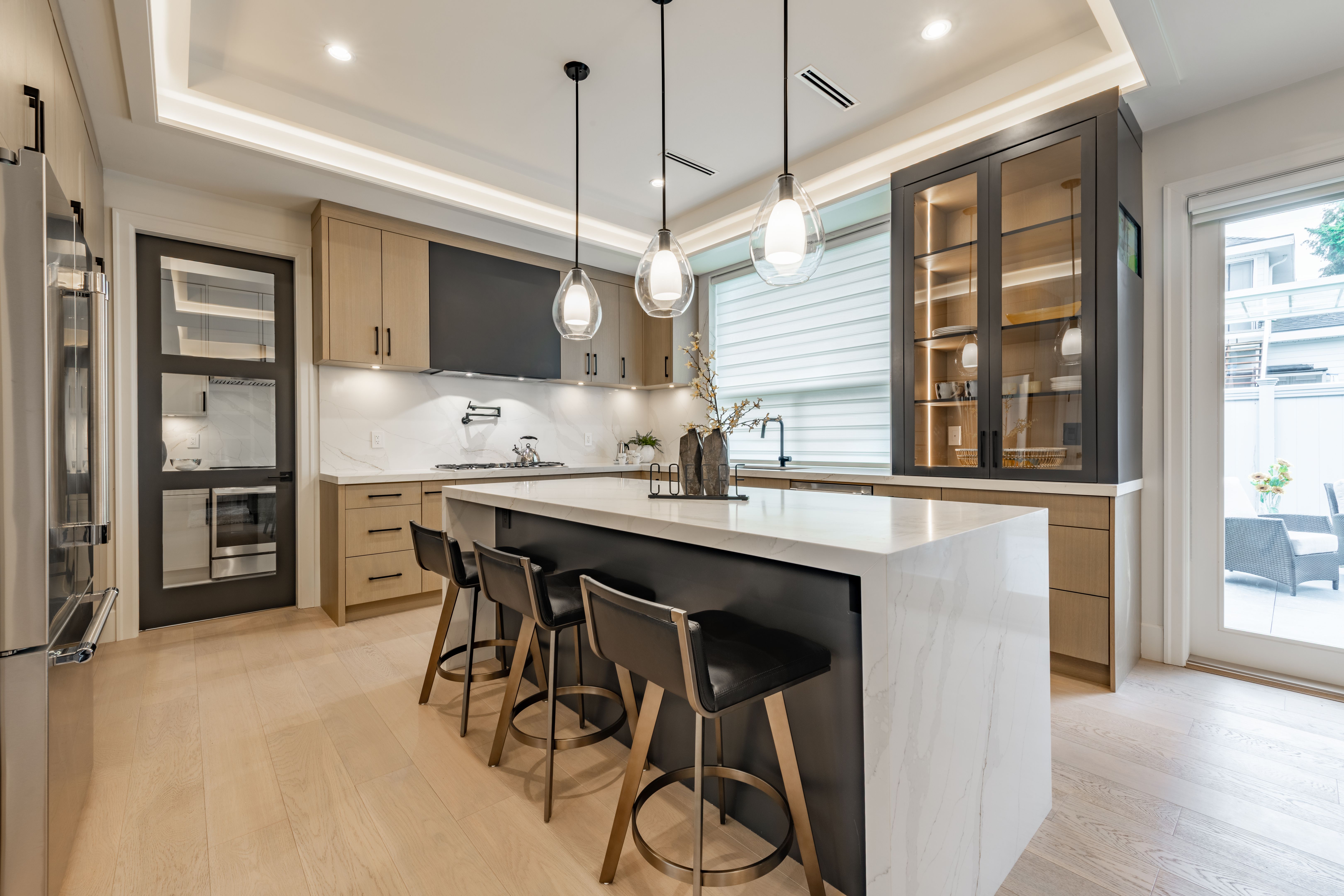
Lighting can dramatically change the ambiance of your kitchen. Layered lighting, combining ambient, task, and accent lights, can create a versatile environment. Consider pendant lights over islands and under-cabinet lighting for added functionality.
Finish your kitchen remodel with personal touches like artwork, plants, or unique hardware. These elements can tie together the overall design and make the space truly yours.
Enjoying Your New Kitchen
Once the remodeling is complete, take time to enjoy your new kitchen. Host a gathering or simply savor a quiet meal in your beautifully transformed space. Your kitchen is now not just a place for cooking but a hub for creating memories.
Remember that maintenance is key to preserving the beauty and functionality of your kitchen. Regular cleaning and timely repairs will keep it looking brand new for years to come.